The ideas of progressivism come from the writings of John Dewey in the 1920's and 1930's where under Deweyan progressivism he made three general assumptions. One being that teaching students based on their "interests rather than from the academic disciplines" (Brown, Parker, 2009). I supported this in the classroom where there were many hockey fans when I used NHL.com to teach a math lesson where students used the statistics chart to compare numbers. The second assumption is about teaching to the whole child, taking into account their "cognitive, affective, and psychomotor areas" (Brown, Parker, 2009). I feel I supported this in the classroom by giving each child what they needed individually to achieve their best. The last assumption is that active learning is essential rather than passive (Brown, Parker, 2009). This once again is another one of my favourite teaching strategies. Active learning is far better for students to retain knowledge because they are active participates in the learning process. I believe active learning is crucial in the classroom and therefore I will strive to continue to support it in my future classrooms.
In all, I find myself in full support of progressivism and therefore will continue to support the main ideas carried within it. Teachers teach to their beliefs and therefore if you were to walk into my future classroom you would see problem solving in cooperative learning groups, the teacher helping individual students with their own special needs to help them achieve and active student learning through hands on activities.
Brown, Hilary, Darlene Ciuffetelli Parker, Ph.D. (2009). Foundational Methods: Understanding Teaching and Learning. Third Ed. Toronto, Ontario: Pearson Custom Publishing.
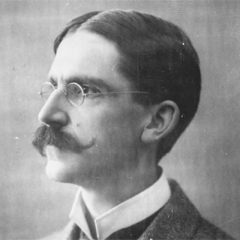
John Dewey. Stephan Hicks Ph.D. Dec. 2009.

No comments:
Post a Comment